
Technical SEO in 2026: The Core Ranking Factors That Actually Move the Needle
When Google announced its core search algorithm updates over the past year, the digital landscape shifted once again. While AI-generated content and conversational search engines continue to change how people discover information, search engine optimization (SEO) remains rooted in fundamental technical principles.
Whether you run a tech blog, an e-commerce platform, or a modern web app, staying visible requires understanding modern search mechanics. Here is a breakdown of the core SEO ranking factors that matter most today and how to implement them effectively.
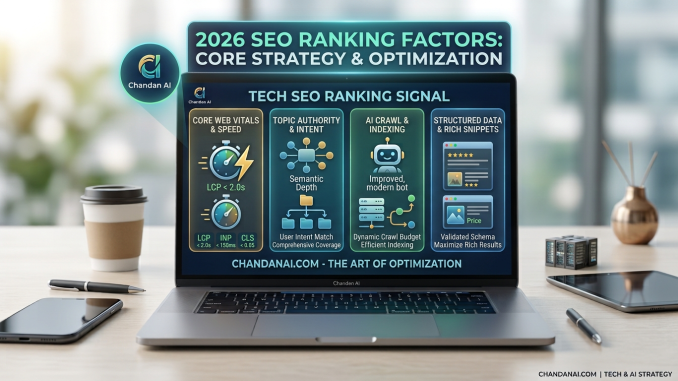
1. Fast Load Times & Core Web Vitals
User experience and crawl efficiency start with page performance. Google’s algorithms directly prioritize fast-loading, highly responsive web pages.
- Interaction to Next Paint (INP): Measures overall page responsiveness during user interactions. Aim for an INP of under 200 milliseconds.
- Largest Contentful Paint (LCP): Tracks how quickly the main content of a page loads. Keep LCP under 2.5 seconds by optimizing heavy images, leveraging server-side caching, and using Content Delivery Networks (CDNs).
- Cumulative Layout Shift (CLS): Measures visual stability. Prevent unexpected visual shifts by assigning explicit width and height dimensions to image and video elements.
2. On-Page Search Intent & Topic Depth
Modern search engines parse content based on semantic understanding rather than strict keyword frequency.
High-Ranking Content Structure:
  ├── Clear Header Hierarchy (H1 -> H2 -> H3)
  ├── Search Intent Alignment (Informational vs. Transactional)
  ├── Structured Data Markup (Schema.org)
  └── High Information Gain (Unique Insights & Expert Context)
Essential On-Page Checklist
- Target Primary Keywords Naturally: Include your key terms in the
<title>, H1 header, URL slug, and first 100 words. - Focus on Information Gain: Google favors pages that add new, unique perspectives rather than rephrasing existing search results.
- Internal Linking Strategy: Interlink related articles on your site using descriptive anchor text to build clear topical authority clusters.
3. Technical Crawlability & Architecture
Even the best content will fail to rank if search engine bots cannot crawl or render your pages efficiently.
- Robots.txt & XML Sitemaps: Keep your
sitemap.xmlupdated and ensure critical content routes aren't blocked inrobots.txt. - Clean Canonical Tags: Use
<link rel="canonical" href="..." />to prevent duplicate content issues across URL parameters or pagination. - Structured Data (Schema): Implement JSON-LD schema (Article, TechArticle, FAQPage) to help search engines present rich snippet results.
Summary of Core Ranking Signals
| SEO Signal | Primary Metric / Target | Implementation Tip |
|---|---|---|
| Page Speed | LCP < 2.5s, INP < 200ms | Optimize media assets and utilize modern browser caching. |
| Mobile Experience | Mobile-First Indexing | Ensure responsive layout design across all viewports. |
| Schema Markup | Valid JSON-LD Output | Implement Article and Breadcrumb schema tags. |
| Authority | Quality Backlinks | Produce original, linkable tech insights and guides. |

Leave a Reply